What I have learned from teaching practical AI across Nepal.
Bishal Chhetri · Applied AI, Nepal ·
4 MIN READ
Field notes from AI workshops with companies, public institutions, conservation professionals, startup founders, students, and community programs in Nepal.
The room changes, but the useful questions repeat
I have had the opportunity to discuss practical AI with corporate teams, public-sector professionals, conservation practitioners, startup founders, management students, technical communities, and school learners across Nepal. The settings vary, but the strongest sessions begin with the same question: where can this technology help with work people already understand?
That question moves the conversation beyond a list of tools. It makes space for the workflow, the available information, the cost of a wrong answer, and the person who remains responsible for the result. A useful workshop should leave participants with better judgment as well as new possibilities.
AI inside organizations and public institutions
Sessions with Triveni Group, MV Dugar Group, Golyan Group, and the MV Dugar Hydro Division explored AI adoption, workplace use, leadership, and practical knowledge for teams. Each organization brings its own processes and constraints. The relevant starting point is therefore a task the team recognizes, not a generic demonstration presented as a universal solution.
The foundational AI training and mentorship session with professionals at Bharatpur Metropolitan City brought the discussion into public leadership and digital transformation. The IUCN-organized session, where I represented Danson Solutions, worked with professionals from Nepal’s forestry and conservation sector. There, the focus included smarter workflows, informed decision-making, and responsible innovation in public-sector and environmental work.
Startups, technical communities, and classrooms
At the BIS Program 2026 with ICT Foundation Nepal, the session on Leveraging AI for Growth focused on practical tools for Nepali IT startups: productivity, workflows, decision-making, verification, bias, context windows, and model memory. At INTkathon, the focus moved toward building agentic AI and learning together as a technical community.
Other sessions widened the audience further. The Global Space Leadership Program with ChimpVine connected AI with space-technology education. The Ace Institute of Management session considered AI and the future of business with MBA students. School outreach, Space Access For All, and related community gatherings created room for students to encounter AI with curiosity before they encounter it as workplace infrastructure.
Teach verification alongside possibility
People should see what an AI system can produce, but they should also practise checking it. That means comparing a response with its source, identifying unsupported claims, noticing missing context, and deciding when the task should return to a person. In a workplace session, the review process matters as much as the prompt.
The same principle applies when discussing agents and automation. Drafting an action is different from taking it. Retrieving a record is different from changing it. A session becomes more useful when participants can name those boundaries and decide where approval belongs.
Use examples that belong to the audience
A corporate team, a municipal office, a conservation program, and a classroom should not receive the same workshop with different logos. The examples should reflect the participants’ roles, language, information boundaries, and level of technical experience. In Nepal, that may also mean working across English, Nepali, and mixed-language material.
Before a session, I want to understand who will be in the room, what work they already do, which tools or information they may use, and what they should be able to judge afterwards. This preparation turns a broad topic into a practical learning experience.
Leave with a next step small enough to test
A workshop cannot prove organization-wide transformation. It can help a team choose one useful experiment, define what a good result looks like, and identify the risks that need attention. The next step might be a small workflow test, an evaluation set, a data-readiness review, or a decision not to automate a task yet.
The photographs below document the organizations, public institutions, programs, classrooms, and communities represented on the speaking and workshops page. Each entry links to its place in the full session archive, where available source posts and additional context are included.
The workshops and communities.
Follow each entry to the speaking archive for its full context and original source where available.
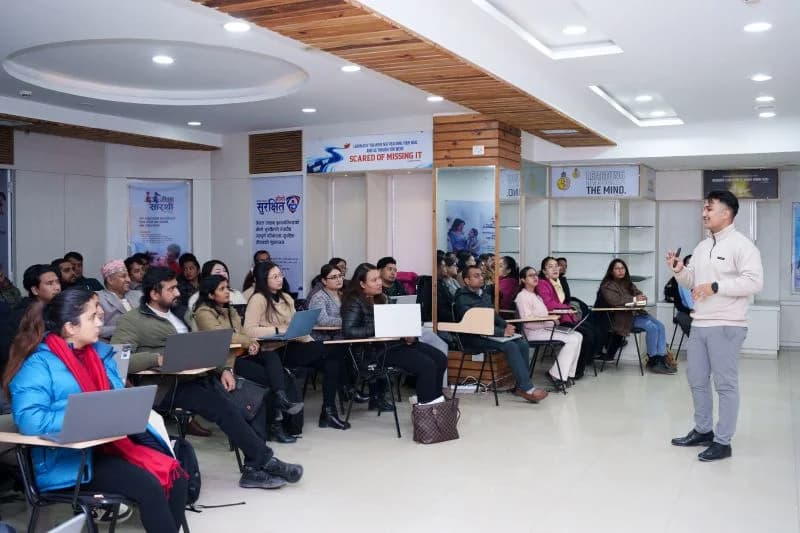
Triveni Group
AI Power Workshop
AI adoption and leadership
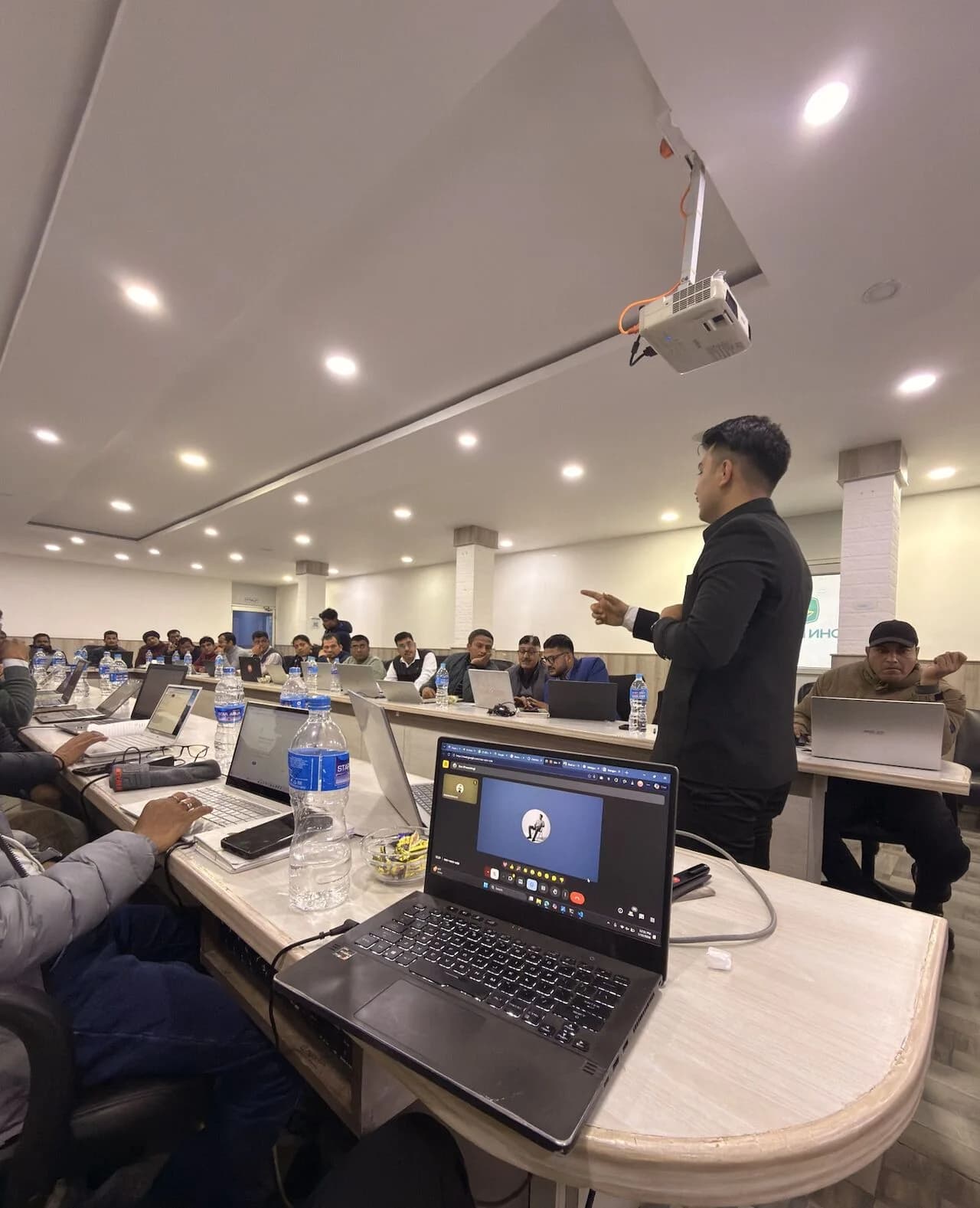
MV Dugar Group
AI in the workplace
Corporate AI workshop
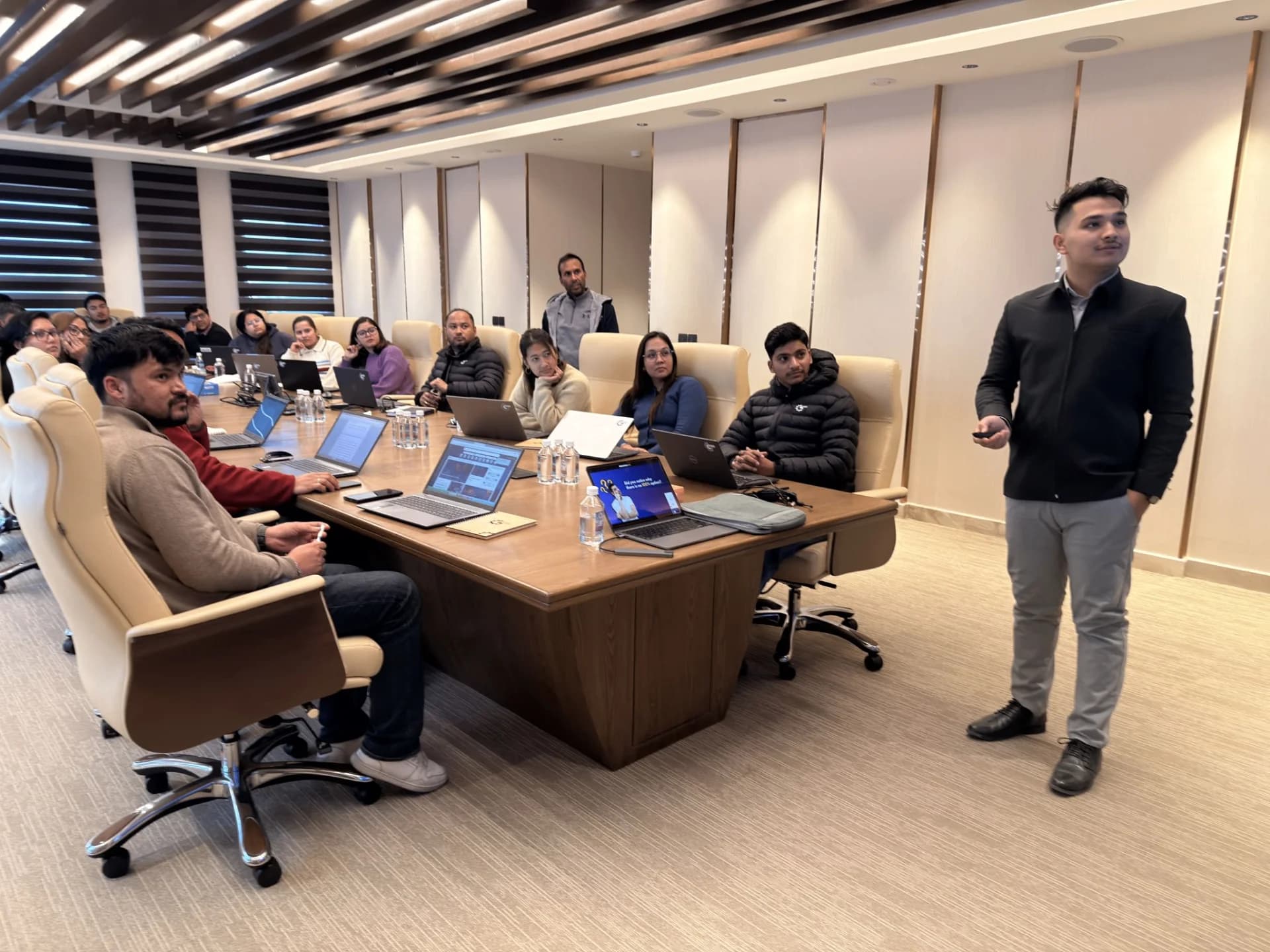
Golyan Group
Learning to work with AI
Corporate AI workshop
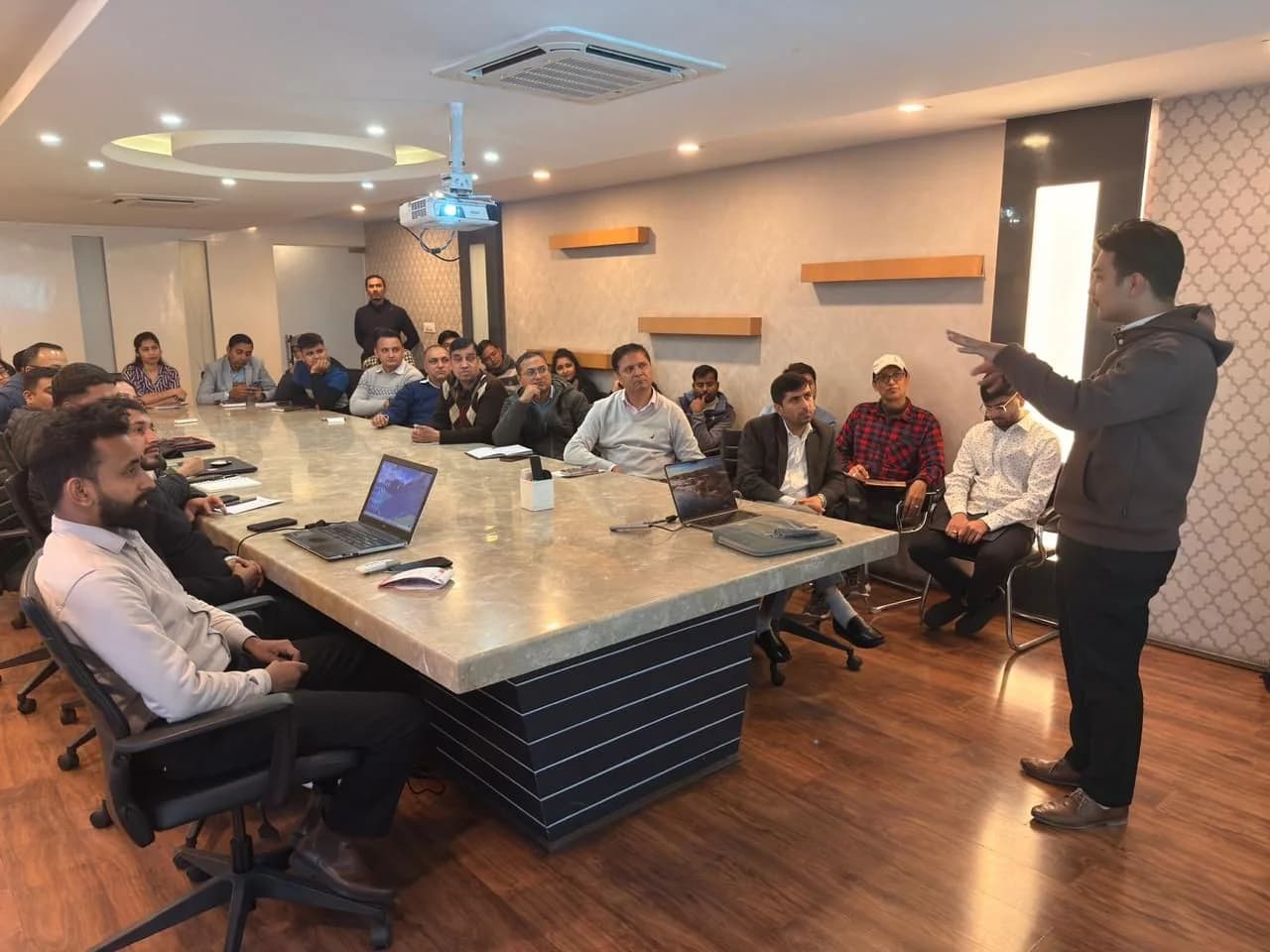
MV Dugar Hydro Division
Advanced AI workshop
Practical AI knowledge for teams
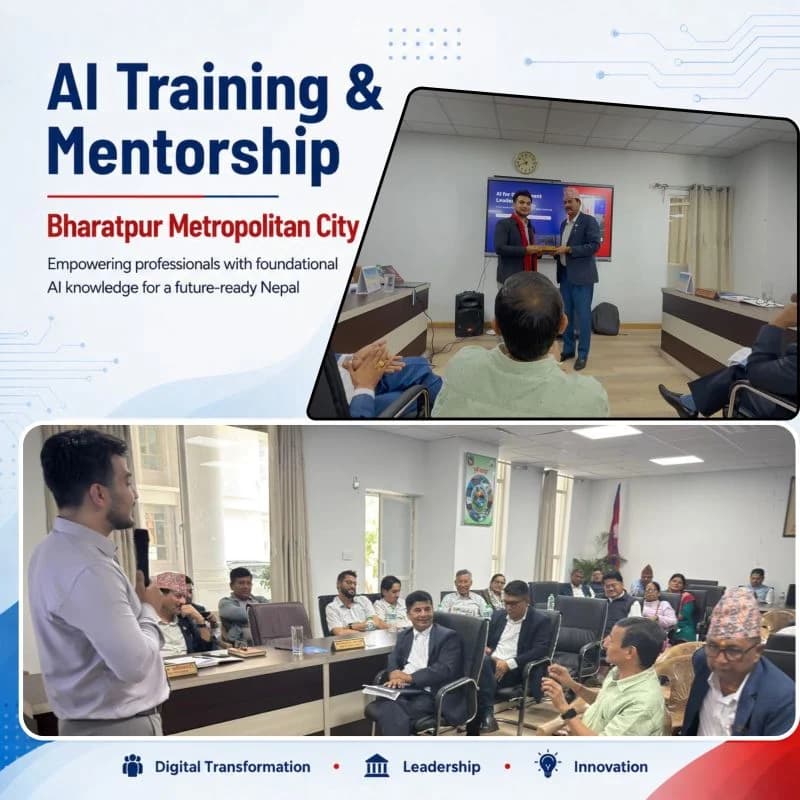
Bharatpur Metropolitan City
Foundational AI training & mentorship
AI literacy for public-sector professionals · 2026
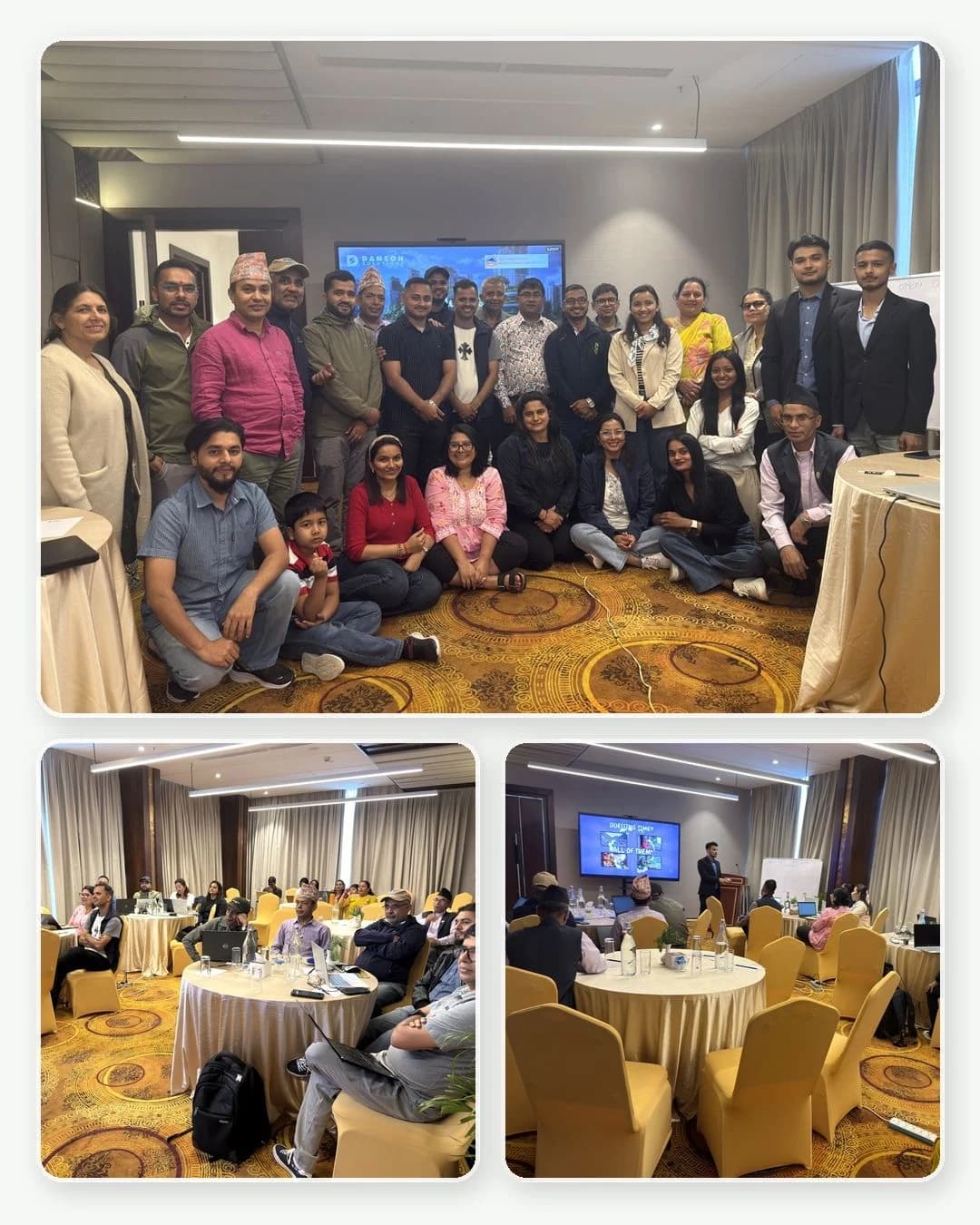
IUCN · represented Danson Solutions
AI for forestry & conservation
AI training for conservation professionals · 2026
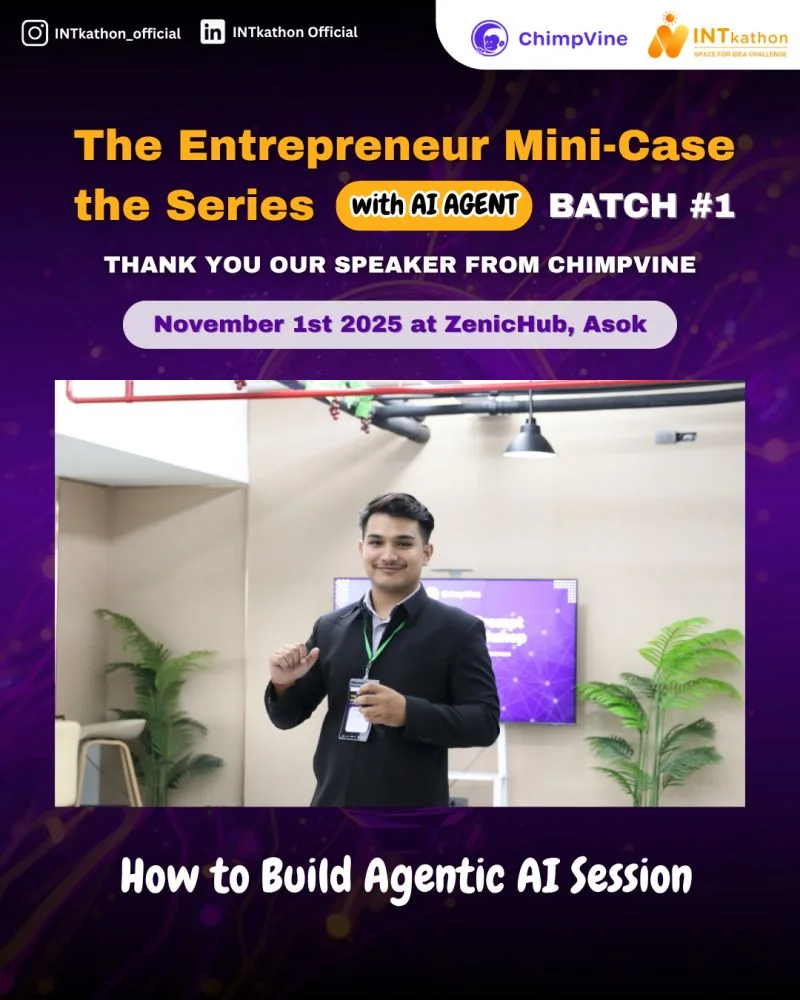
INTkathon
Building agentic AI
Technical workshop
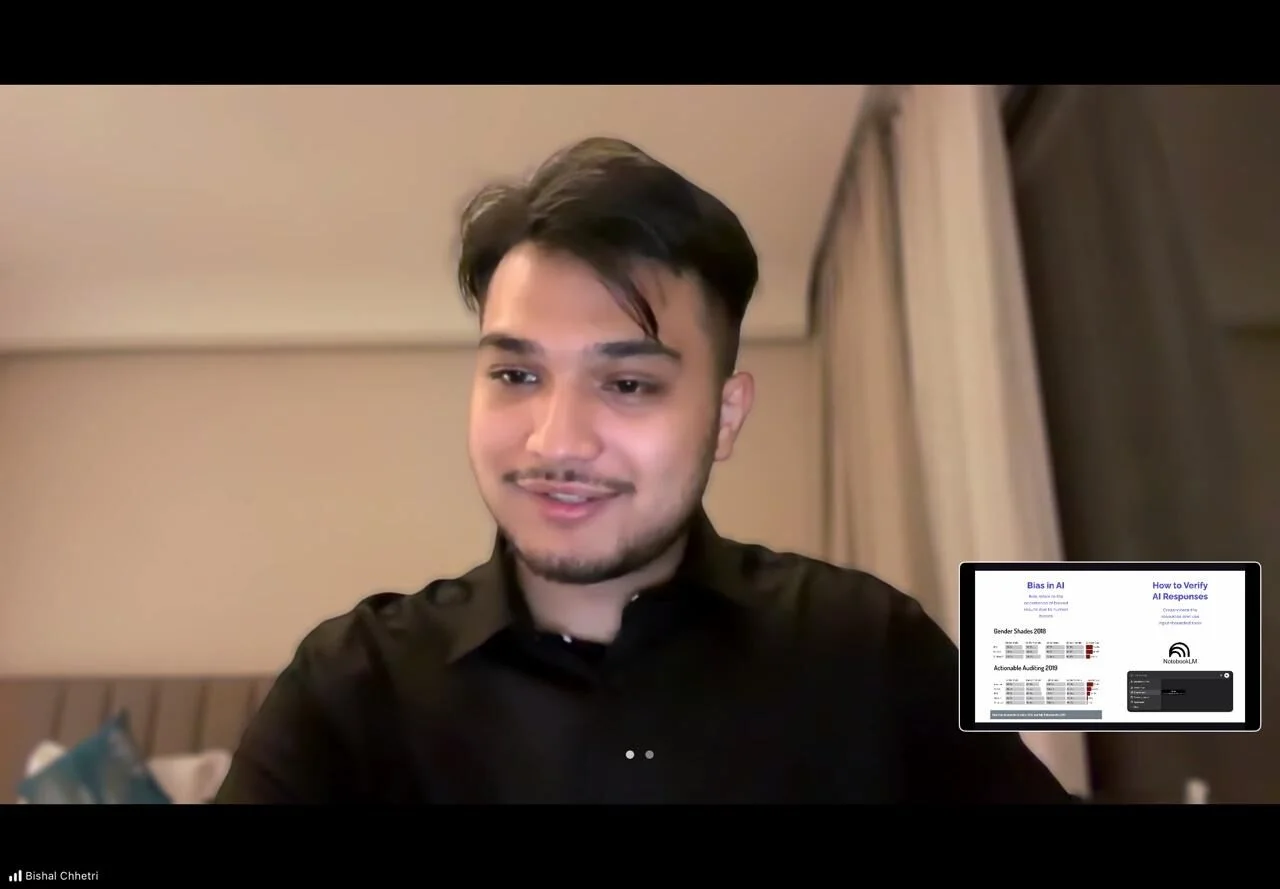
ICT Foundation Nepal · BIS Program 2026
Leveraging AI for Growth
Practical AI tools for Nepali IT startups · 2026
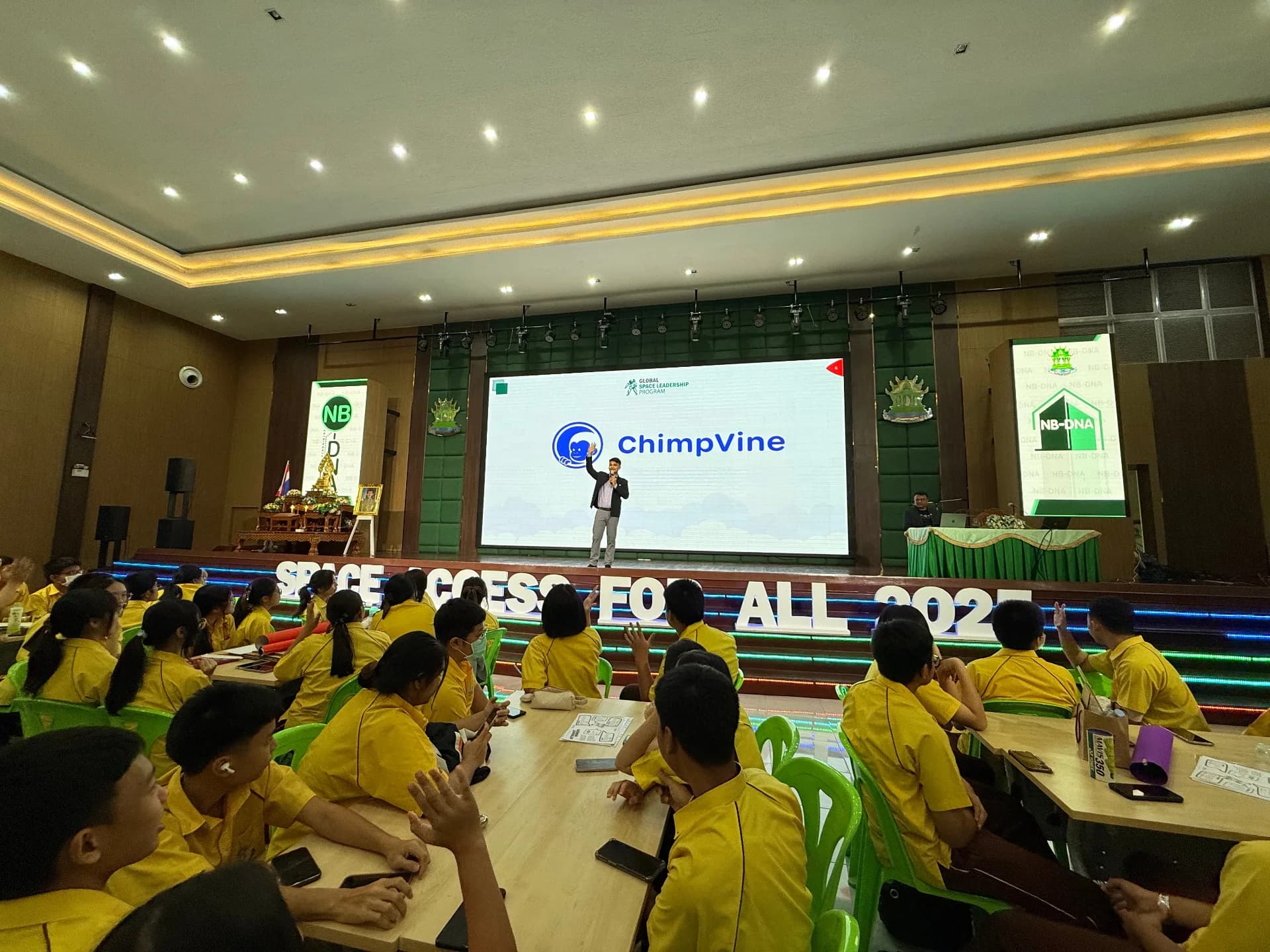
ChimpVine
Global Space Leadership Program
AI and space technology education · 2025
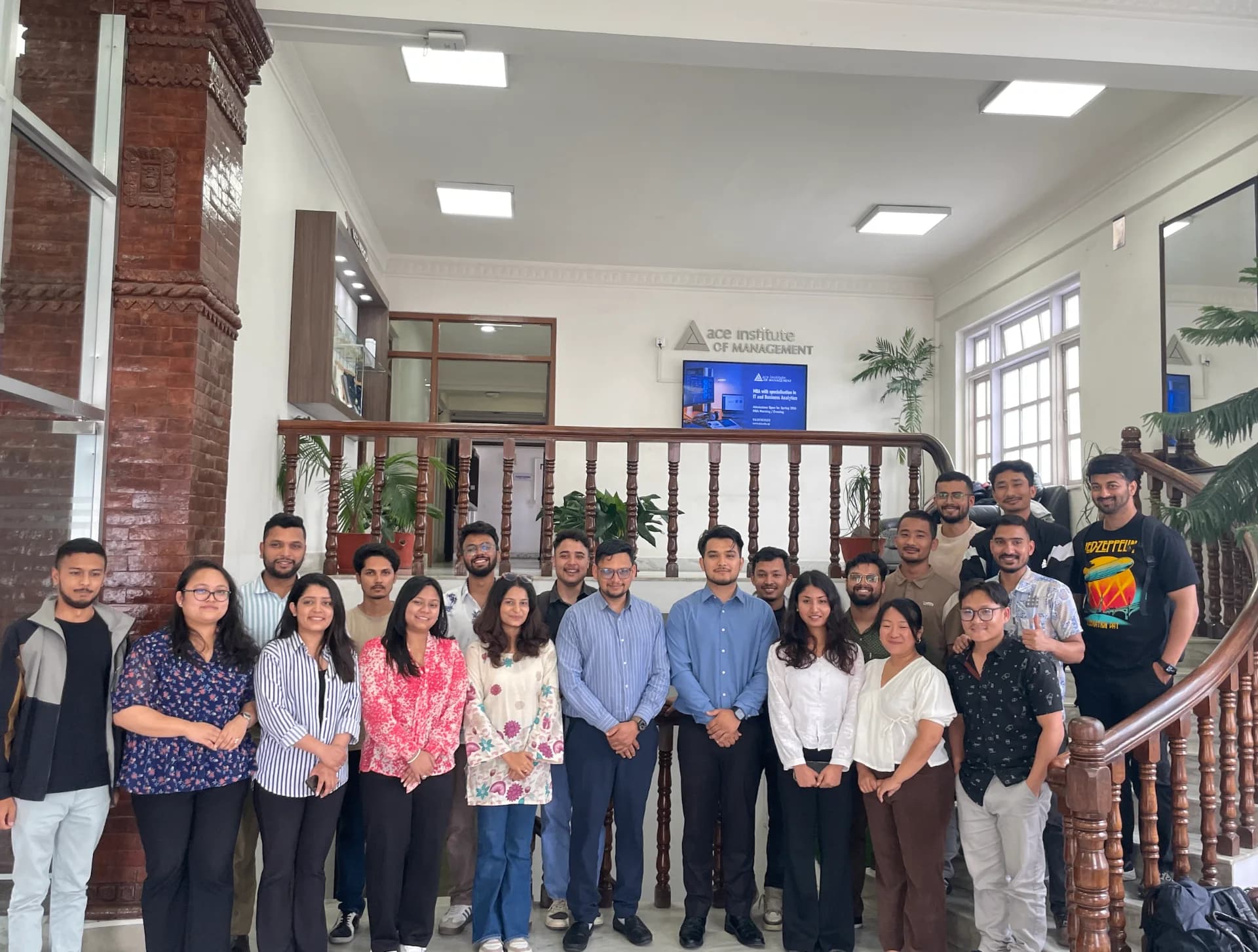
Ace Institute of Management · MBA
AI and the future of business
AI session for management students
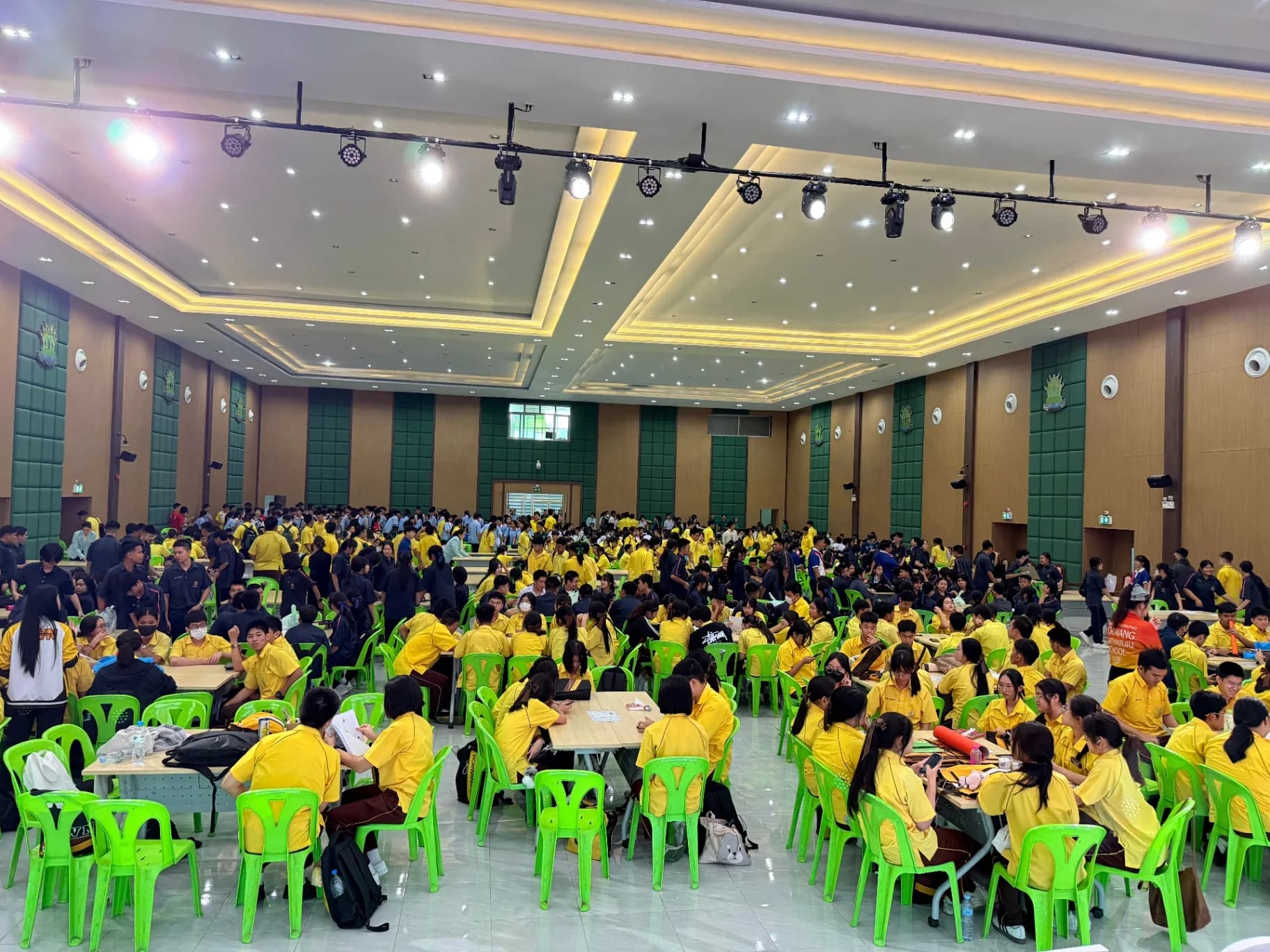
Workshop day
Space Access For All
Student learning session · 2025

INTkathon
Learning, together
Team and community gathering
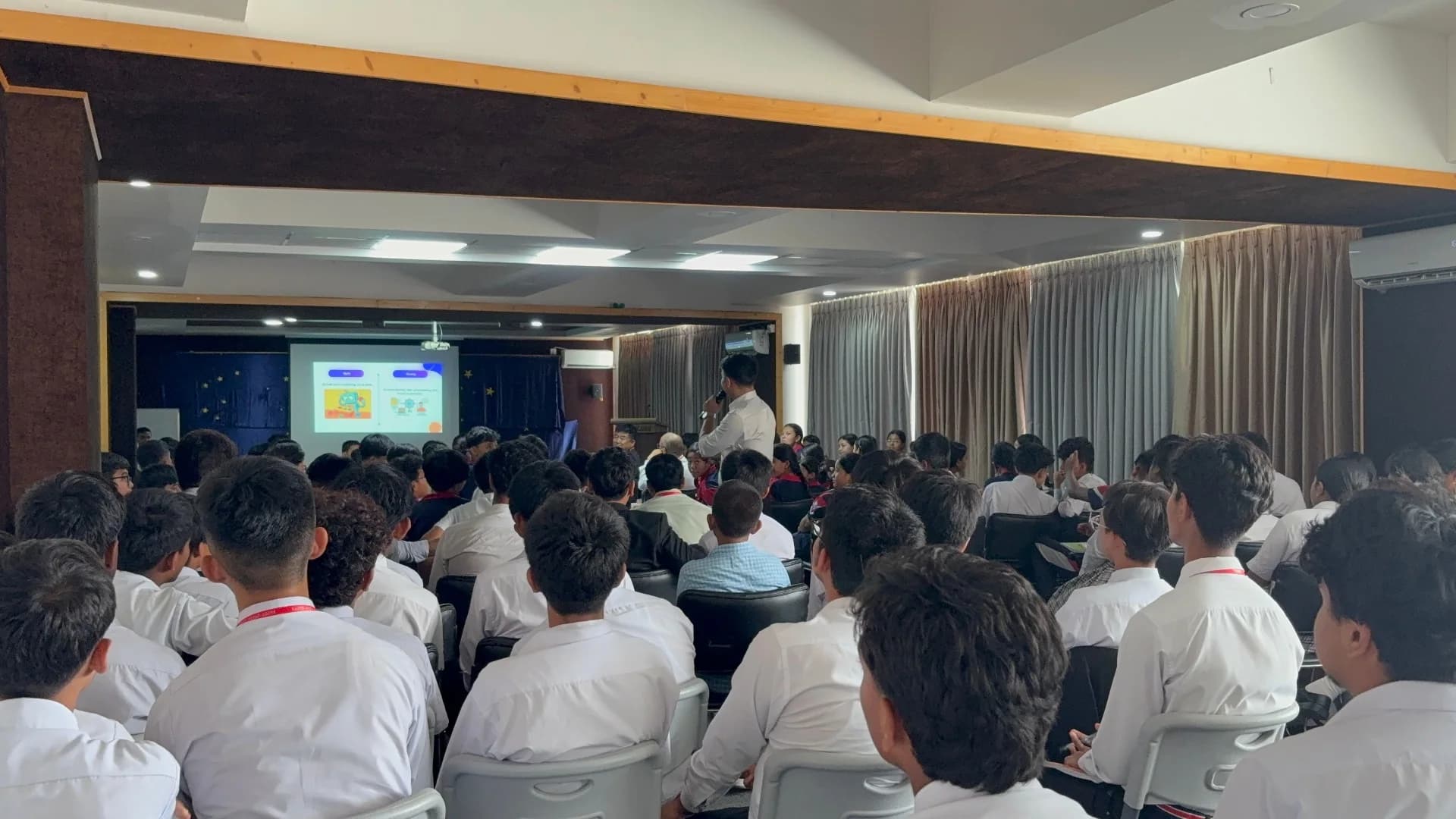
School outreach
Introducing AI at school
AI education workshop
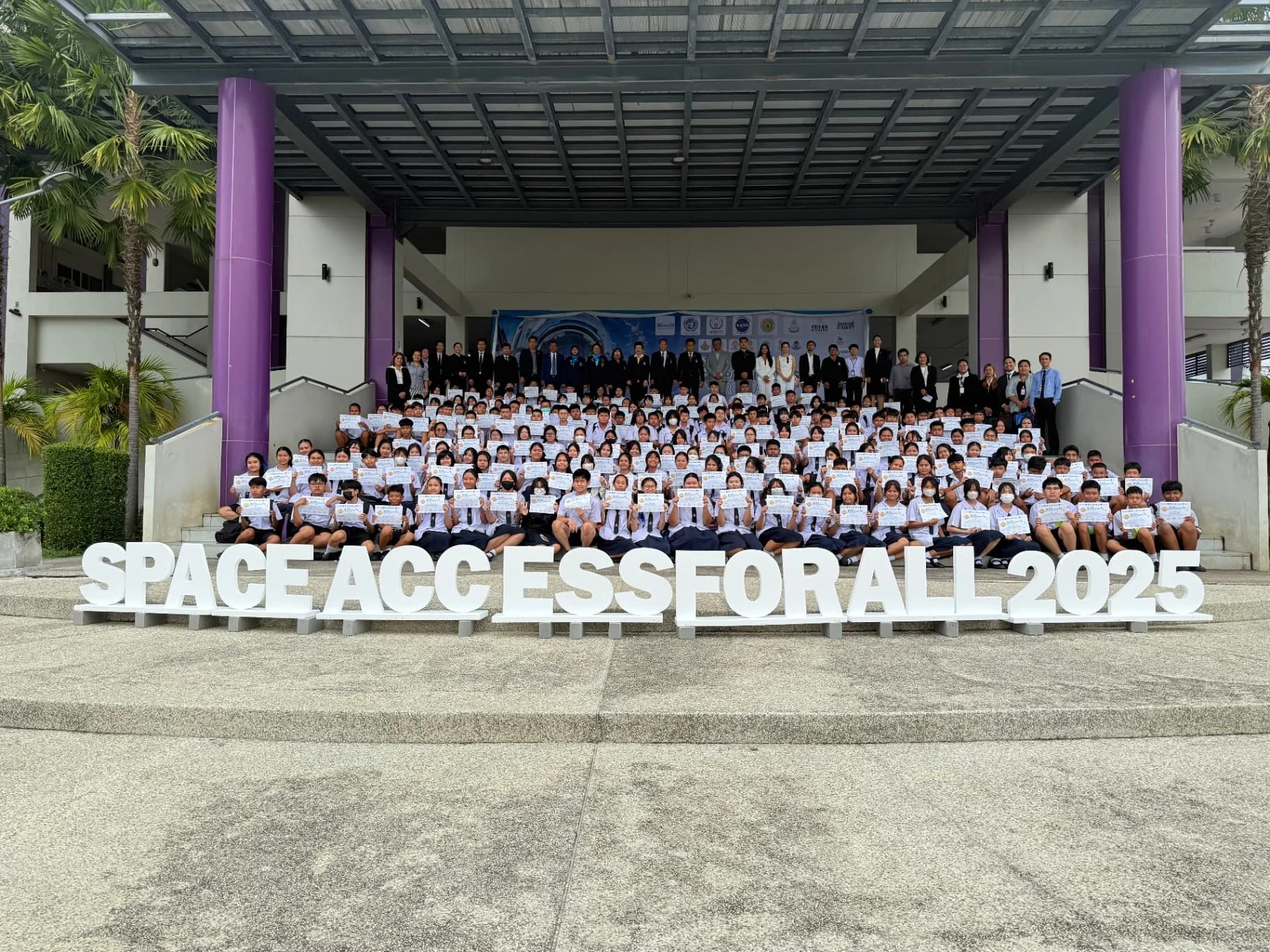
Space Access For All
A shared curiosity
Program group photograph · 2025